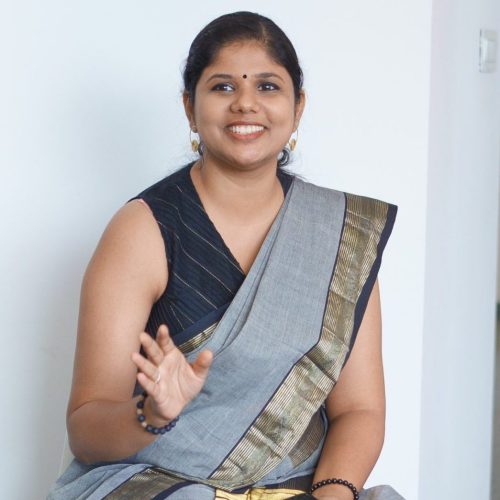
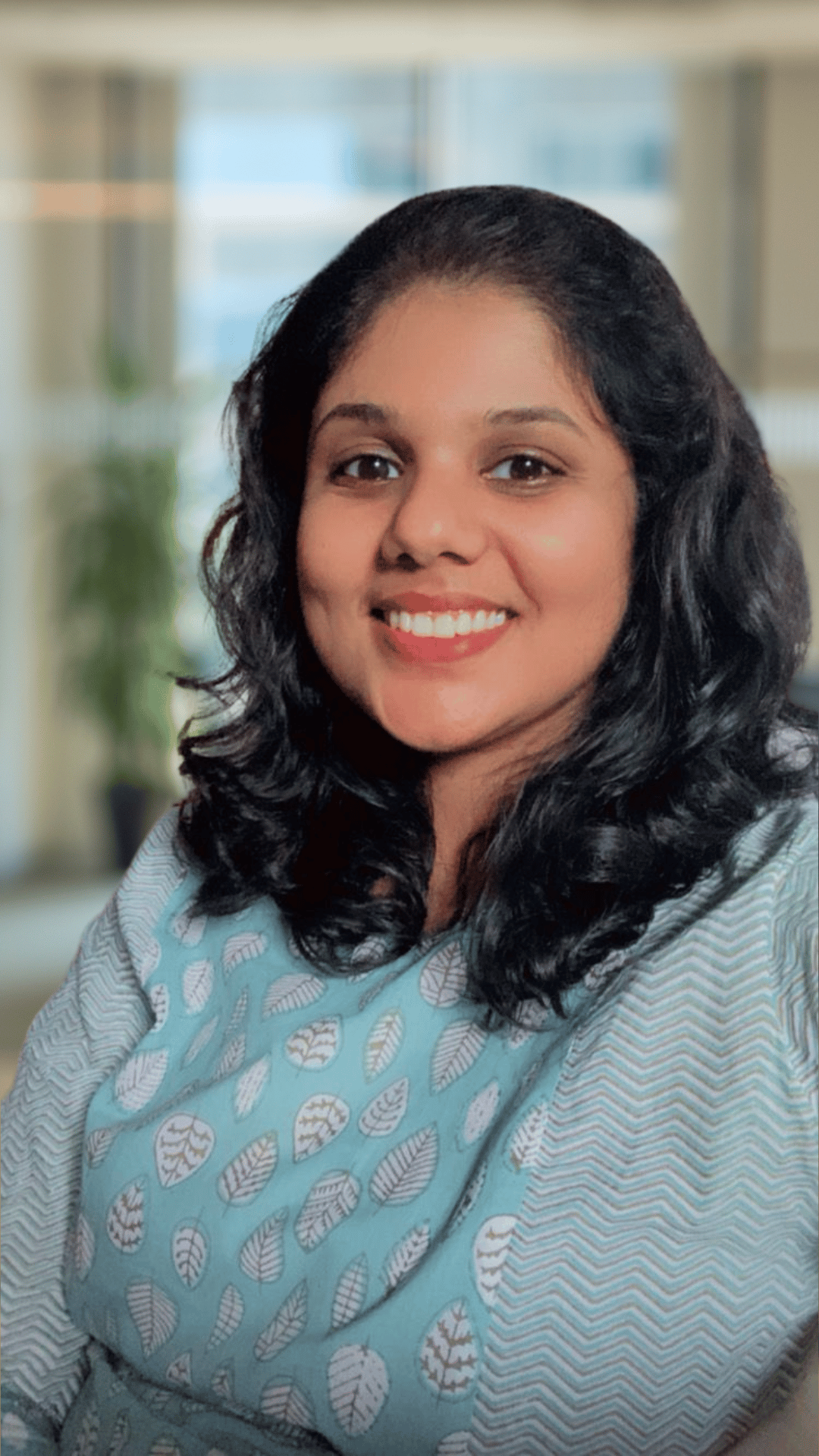
Mili is a counselling psychologist specialising in the area of relationships, attachment, and the ways relational experiences shape emotional well-being. Her work is grounded in a trauma-informed and attachment-focused approach, with a deep appreciation for the complexities of human relationships and the contexts in which people grow and exist.
She is a trauma-focused Acceptance and Commitment Therapy (ACT) practitioner and has received Level 2 training in the Gottman Method for couples therapy, which she integrates with an attachment-based systemic lens. She is particularly passionate about working with individuals navigating complex post-traumatic stress disorder (CPTSD), survivors of relational abuse, narcissistic abuse and those healing from attachment wounds and the lasting impact of difficult relational experiences.
Her therapeutic approach is rooted in the belief that mental health cannot be understood in isolation from the environments, relationships, and circumstances that shape people’s lives. She strives to offer an inclusive, compassionate, and non-judgmental therapeutic space that acknowledges each person’s unique experiences, identities, and lived realities.
She views relationships as powerful systems that can shape both our wounds and our healing. While relationships can be sources of distress, disconnection, and trauma, they can also offer opportunities for safety, trust, and growth. She believes that corrective relational experiences—experiences of being understood, respected, accepted, and emotionally held—can play a vital role in the healing process.
At the heart of her work is a commitment to helping people make sense of their experiences, develop a deeper understanding of themselves and their relationships, and build more compassionate and secure ways of relating to themselves and others. She believes healing is not simply about learning to cope with distress, but also about creating the conditions in which people can experience connection, agency, and a greater sense of belonging.